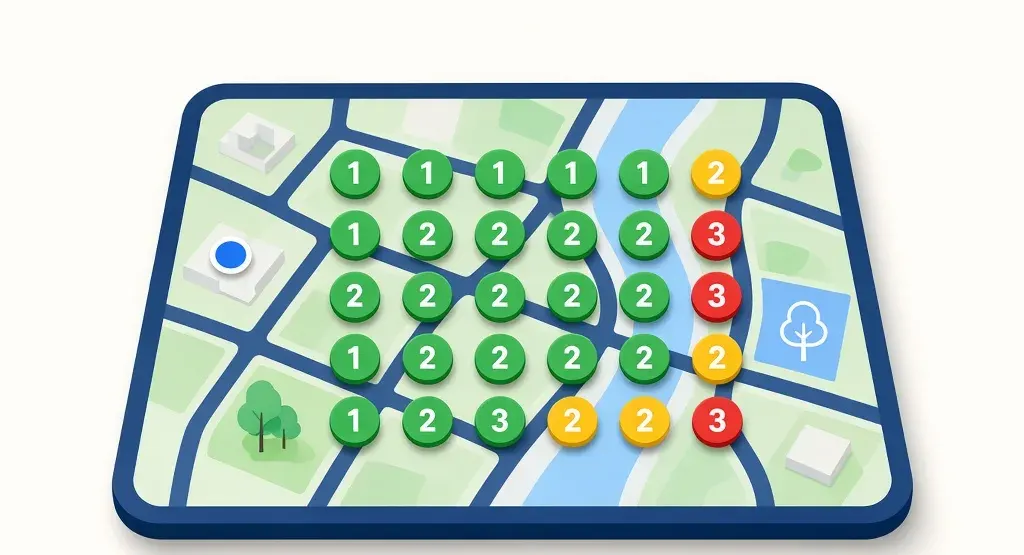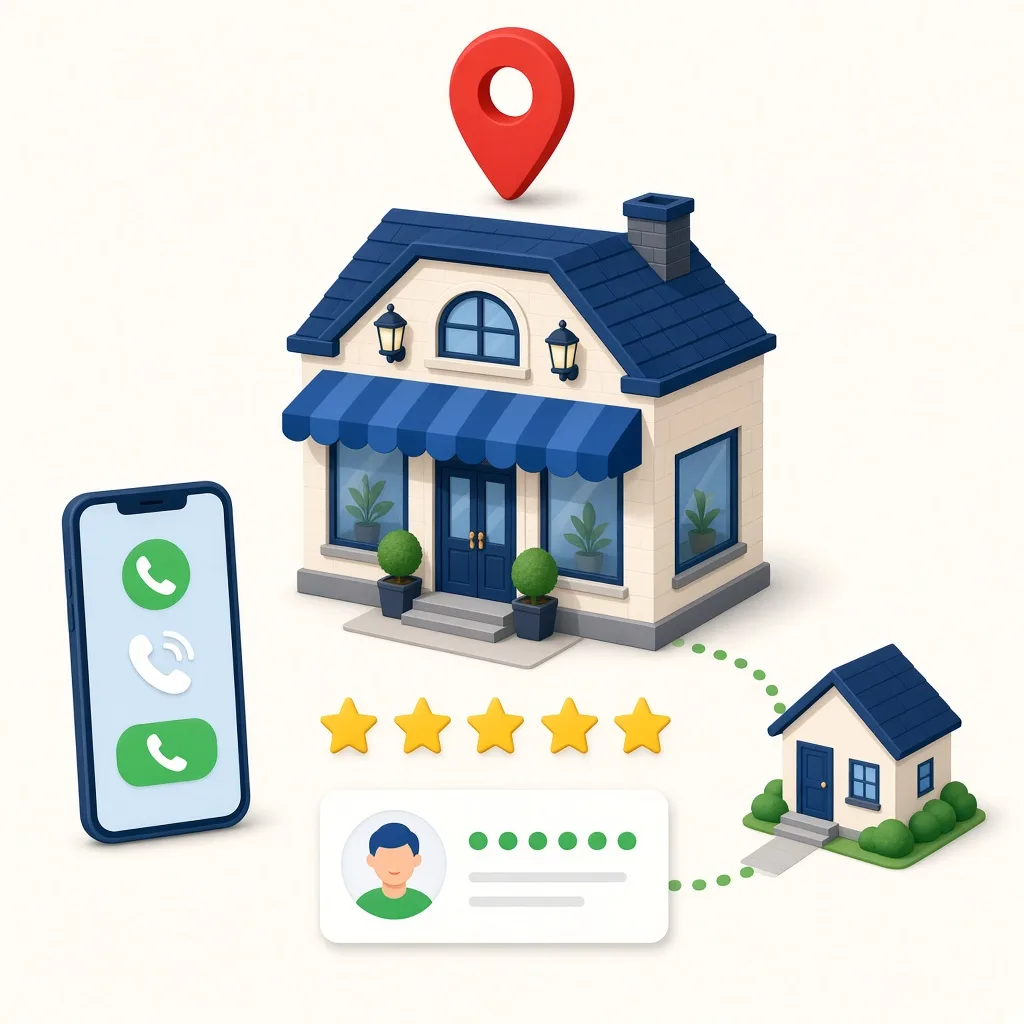

Local SEO
Turn 'near me' searches into calls, direction requests and booked jobs.
- More calls and direction requests
- Consistent NAP everywhere
- City and service-area pages that rank
Earn honest patient reviews, keep practice listings accurate, and reply in public without ever exposing patient information.

Dental reputation management means keeping your practice's reviews and listings accurate, earning honest patient feedback after visits, and responding in public without ever exposing patient information. Rank and Trend builds the monitoring, request and response workflow with you — HIPAA-aware by default — and you approve the playbook before it goes live. We never write reviews, never gate out unhappy patients, and never promise removals.
US-wide service · Free visibility check · HIPAA-aware responses · No fake reviews, no gating, no promised removals
For a dental practice, reputation management is the steady work of watching the platforms patients use to choose a dentist — Google first, then Healthgrades, Yelp and Facebook — keeping practice details accurate, asking every patient for honest feedback, and replying to reviews without confirming anyone is a patient or mentioning their treatment.
The privacy constraint is real and enforced. HHS's Office for Civil Rights settled with a California dental practice for $23,000 after the practice disclosed patient information while responding to reviews on social media (as listed on HHS.gov, checked 21 November 2026). The lesson is not "never reply" — it is "reply with rules."
Dental patients compare nearby practices quickly and pragmatically:
The problems we find in practice audits repeat: years-old reviews doing all the work, a billing complaint sitting unanswered, listings showing a retired associate or old hours, and recall reminders that never ask for feedback — or worse, ask only patients flagged as happy, which Google prohibits and the FTC warns can violate the FTC Act.
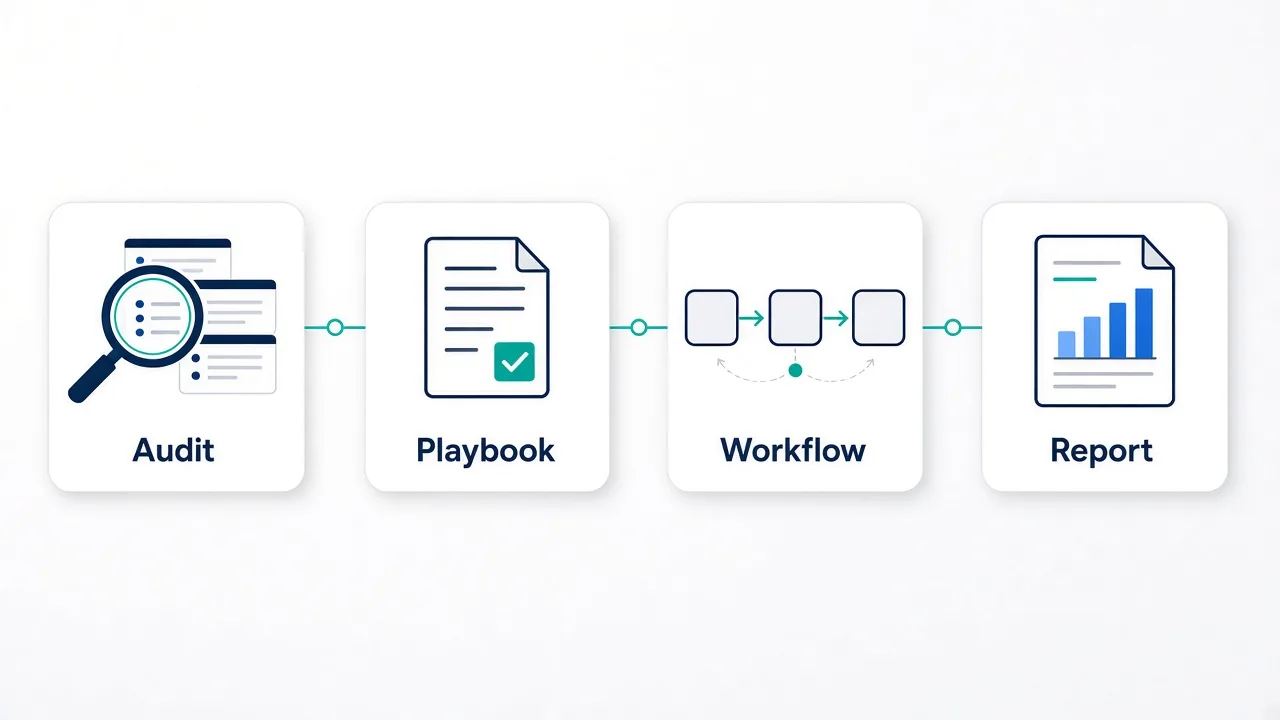
| Pillar | What it means for your practice |
|---|---|
| Review and listing audit | Google, Healthgrades, Yelp, Facebook and directory listings documented; inaccuracies flagged |
| Monitoring | New reviews surfaced to the practice on a set cadence |
| Compliant review requests | A post-appointment workflow that asks every patient, no incentive tied to rating |
| HIPAA-aware response playbook | Approved reply patterns that never confirm patient status or reference treatment |
| Listing consistency | Practice name, dentists, hours, services and photos aligned across profiles |
| Official flagging | Platform reporting for content that appears to violate platform rules; the platform decides |
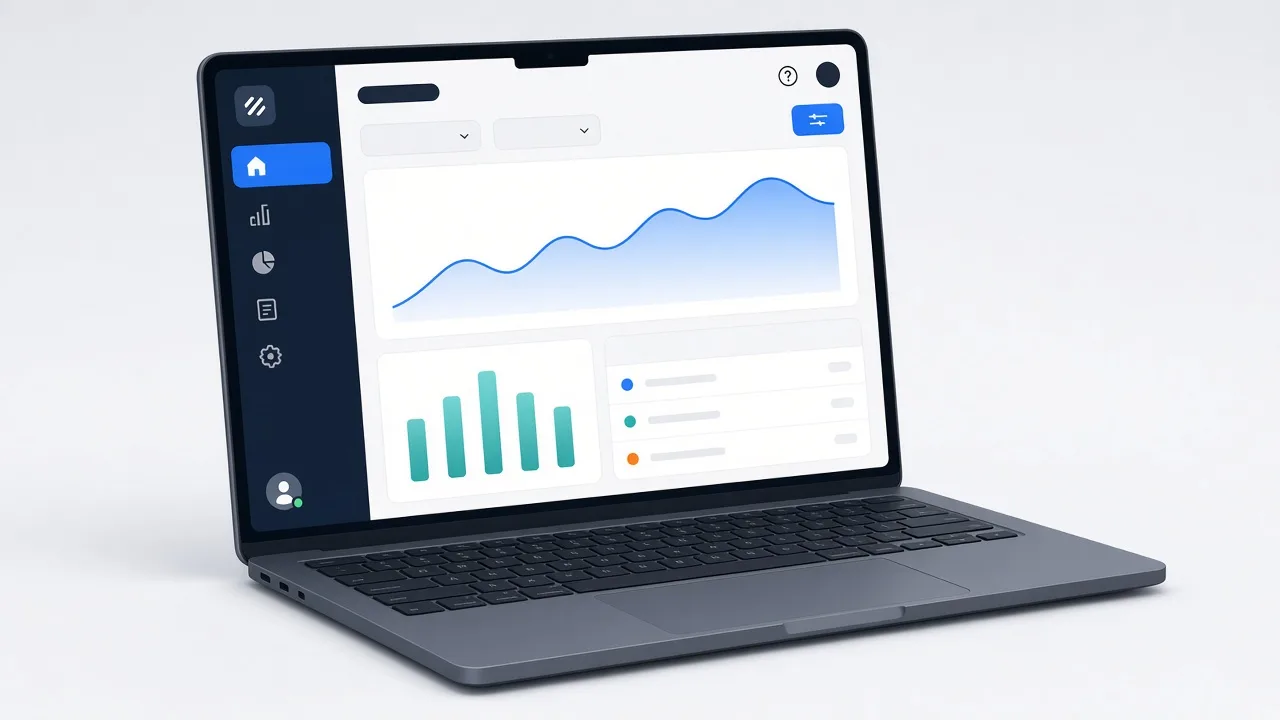
| Reporting | Monthly volume, rating trend, response rate and listing status |
| Platform | Why it matters for a practice |
|---|---|
| Google Business Profile | Where "dentist near me" searches end; reviews show in Search and Maps |
| Healthgrades | Patients cross-check providers before booking |
| Yelp | Long-established for dental and healthcare comparisons |
| Community recommendations and informal reviews | |
| Vitals / RateMDs | Secondary provider directories that rank for dentist name searches |
Your audit confirms which of these your patients actually use. Search results for dental reputation topics also include practice software — scheduling, reminders and review-request tools. Those tools are useful for sending requests; this page describes the agency work around them: strategy, compliant wording, responses and listing accuracy.
Ask every patient the same way, at a natural moment — after a completed appointment, not mid-treatment — with no reward tied to what they write. Google's policy allows encouraging genuine reviews without incentives, and prohibits offering incentives for reviews or selectively soliciting only positive feedback (checked 21 November 2026). The FTC's consumer-review rule, in effect since October 21, 2024, prohibits incentives conditioned on a particular sentiment (checked 21 November 2026).
Concretely: no "whitening discount for a 5-star review," no screening question that routes unhappy patients to a private form and happy ones to Google, and no staff or family reviews without clear disclosure.
Keep public replies general, warm and short. Thank the reviewer, and move anything about care, billing disputes or appointments to a private channel — without confirming the reviewer is a patient.
| Do | Don't |
|---|---|
| "Thank you for the feedback — we appreciate it." | "So glad your crown feels better!" |
| "We're sorry to hear this — please call our office so we can help." | "Your insurance didn't cover that procedure, which we explained at your visit." |
| Report suspected fake reviews through official platform tools | Argue clinical or billing facts in the comments |
Sample scenarios:

Only the platform can decide. Google removes policy-violating reviews reported through its official flagging tool — evaluation typically takes several days, and a one-time appeal is available (checked 21 November 2026). Healthgrades and Yelp run their own moderation processes. We flag reviews that appear to violate platform rules; we never promise the outcome.
Provider-directory pages are also among the sources AI assistants read when someone asks about dentists nearby. Accurate, current profiles plus steady genuine reviews are the honest way to improve those summaries — supported by our AIO and GEO work, with no promise to control what any model says.
| DIY | Review software | Agency | |
|---|---|---|---|
| Monitoring | Front desk checks profiles | Alerts and dashboards | Alerts plus human judgment |
| Requests | When someone remembers | Automated post-visit sends | Approved, compliant workflow design |
| Responses | Dentist replies after hours | Templates you still own | HIPAA-aware playbook you approve |
| Compliance | On you | Partly on you | Privacy rules built into every reply |
Practice software is genuinely good at the sending and reminding. What it cannot do is decide what is safe to say publicly about a patient — that is the judgment layer an agency adds.
Beyond the standard checklist — review profiles, rating trends, unanswered reviews, Business Profile categories and duplicate listings — a dental audit also checks: Healthgrades and directory category accuracy, associate and practice-name consistency, hours and insurance information, and any existing public replies that confirm patient status or mention treatment.
Reviews are a core map-pack signal for "dentist near me," so this service pairs naturally with Local SEO and Google Maps SEO, and with Organic SEO for treatment and practice-name searches. See the national reputation management services page. Related pages: Chiropractors, Lawyers, Restaurants.
See what your patients see. Start with a free visibility check of your practice's reviews and listings. Get my free AI + Maps visibility check · Book a strategy call
Turn 'near me' searches into calls, direction requests and booked jobs.
Win the map pack across your whole service area, not just your street.
Rank your service pages on page one and keep them there.
See the clearest review and listing gaps before you approve any work.
Prefer to talk? Book a strategy call