
Local SEO
Turn 'near me' searches into calls, direction requests and booked jobs.
- More calls and direction requests
- Consistent NAP everywhere
- City and service-area pages that rank
Keep your Google, Yelp and OpenTable presence accurate, earn honest guest feedback every service, and answer criticism like a host.
Restaurant review management means keeping your Google, Yelp and OpenTable presence accurate, earning honest guest feedback every service, and responding to criticism in a way that wins the next hundred readers. Rank and Trend builds the monitoring, request and response workflow with you; you approve the playbook before it goes live. We never write reviews, never filter out unhappy guests, and never promise removals.
US-wide service · Free visibility check · You approve the playbook · No fake reviews, no gating, no promised removals
For a restaurant, review management is the daily work of watching the platforms diners check before they book or walk in, keeping hours, menu links and photos accurate, asking guests for honest feedback, and replying to reviews — especially the bad ones — like a host, not a lawyer.
Restaurants live closer to their reviews than almost any other business. A diner deciding where to eat tonight is reading them now, on a phone, often within a mile of your door. That makes review velocity, recency and response quality operational issues, not marketing garnish. No agency can guarantee a rating or remove a bad review; what a good process does is keep genuine feedback flowing and make sure your side of the story is always present.
The problems we find in restaurant audits: hours wrong after a seasonal change, delivery-app listings mismatched with the Google profile, a rough weekend's reviews sitting unanswered, and a "review us for a free dessert" card at the table — an incentive for reviews that Google's policies prohibit and that can put the profile at risk.
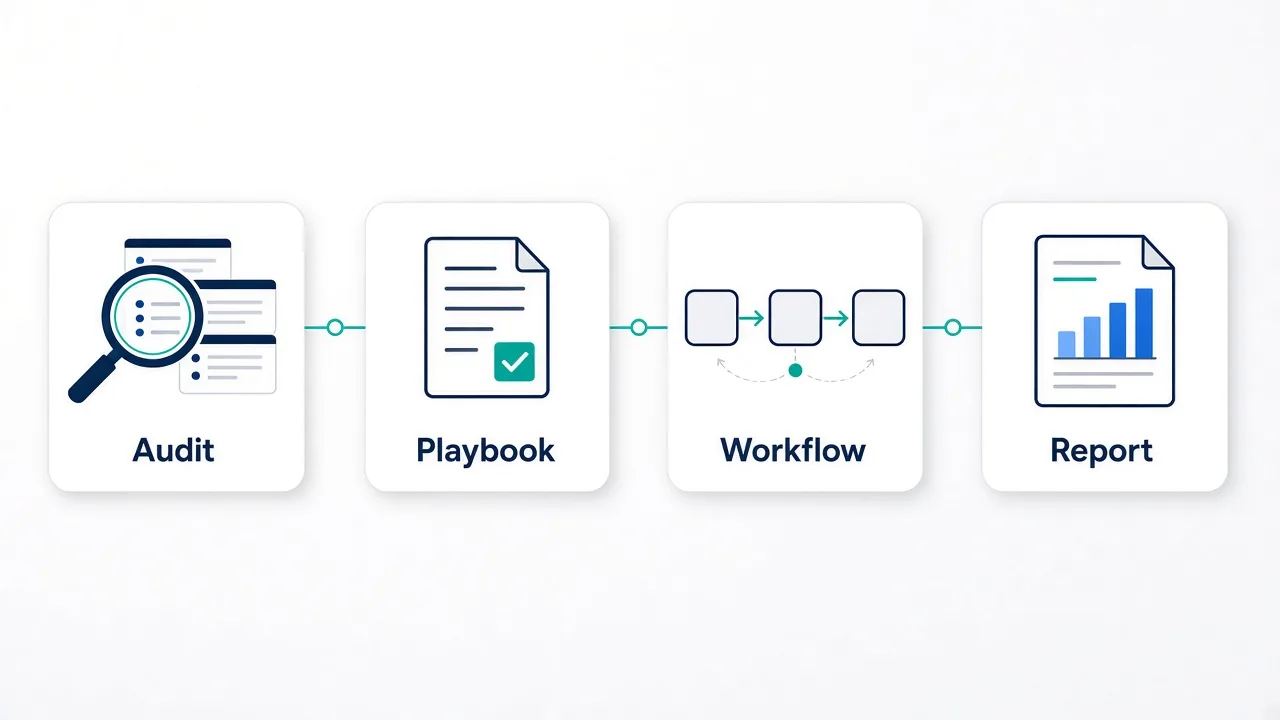
| Pillar | What it means for your restaurant |
|---|---|
| Review and listing audit | Google, Yelp, OpenTable, TripAdvisor and delivery-app presence documented; mismatches flagged |
| Monitoring | New reviews surfaced daily-to-weekly so nothing sits unanswered |
| Compliant review requests | An ask-every-guest workflow with no freebies or discounts tied to reviews |
| Response playbook | Approved replies for rave, complaint and suspected-fake reviews, in your voice |
| Listing consistency | Hours, menu links, photos and attributes aligned across platforms |
| Official flagging | Platform reporting for content that appears to violate platform rules; the platform decides |
| Reporting | Monthly volume, rating trend, response rate and listing status |
| Platform | Why it matters |
|---|---|
| Google Business Profile | Where "restaurants near me" searches end; reviews and photos show in Search and Maps |
| Yelp | A first stop for diners in many US metros |
| OpenTable | Reviews tied to actual reservations; matters for bookable restaurants |
| TripAdvisor | Key in tourist and destination markets |
| Community groups and recommendations drive local discovery |
Search results for restaurant review topics are full of software — reservation, guest-feedback and marketing tools. Those tools can automate the ask; the work on this page is the strategy around them: what to say, what to fix, and how to stay compliant.
Ask every guest, the same way, with nothing offered in return. Google's policy allows encouraging genuine reviews without incentives, and prohibits offering incentives — explicitly including discounts and free items — for reviews or for revising a negative one, as well as selectively soliciting only positive feedback (checked 21 November 2026). The FTC's consumer-review rule, in effect since October 21, 2024, prohibits incentives conditioned on a particular sentiment, with civil penalties possible (checked 21 November 2026).
Natural moments: a QR code on the receipt or check presenter that goes to your Google profile, a follow-up message after an OpenTable reservation, a verbal "we'd love your honest feedback" at the door. Not natural: a free dessert for a review, a staff contest for the most 5-star mentions, or a tablet that asks "how was everything?" and only routes happy guests to Google.
| Do | Don't |
|---|---|
| Thank the guest and use their name where shown | Offer a refund or freebie publicly to change a review |
| Acknowledge the specific dish, visit or issue | Copy-paste the same reply under every review |
| Invite them back or to contact you directly | Argue that their experience didn't happen |
| Flag suspected fake reviews through official tools | Accuse competitors publicly without evidence |
Sample scenarios:

Only the platform decides. Google removes policy-violating reviews reported through its official flagging tool — evaluation typically takes several days, with a one-time appeal (checked 21 November 2026). Yelp, OpenTable and TripAdvisor run their own moderation. Reviews that merely disagree with you, however harsh, usually stay; the durable answer is a professional reply plus a steady flow of genuine guest feedback.
Diner-facing platforms are also the sources AI assistants read when someone asks where to eat in your area. Accurate listings, current photos and genuine reviews are the honest way to influence those answers — supported by our AIO and GEO work, with no promise to control what any model says.
| DIY | Review software | Agency | |
|---|---|---|---|
| Monitoring | Manager checks apps between services | Alerts and dashboards | Alerts plus judgment on what matters |
| Requests | QR card somebody printed once | Automated post-visit sends | Approved, compliant workflow design |
| Responses | Owner replies at midnight | Templates you still own | Playbook in your voice, approved by you |
| Compliance | On you | Partly on you | FTC and platform rules built in |
Reservation and guest-feedback tools send the messages. The agency decides the strategy: which platforms deserve attention, what the replies say, and what crosses a compliance line.
Beyond the standard checklist — review profiles, rating trends, unanswered reviews, Business Profile categories and duplicate listings — a restaurant audit also checks: hours and holiday hours across platforms, menu link accuracy, attribute and photo freshness, delivery-app listing consistency, and any incentive language in printed or digital review requests.
Reviews and photos are core map-pack signals for "near me" dining searches, so this service pairs naturally with Local SEO and Google Maps SEO. See the national reputation management services page. Related pages: Dentists, Home Services Businesses, Lawyers.
See what your diners see. Start with a free visibility check of your restaurant's reviews and listings. Get my free AI + Maps visibility check · Book a strategy call
Turn 'near me' searches into calls, direction requests and booked jobs.
Win the map pack across your whole service area, not just your street.
Rank your service pages on page one and keep them there.
See the clearest review and listing gaps before you approve any work.
Prefer to talk? Book a strategy call