
Local SEO
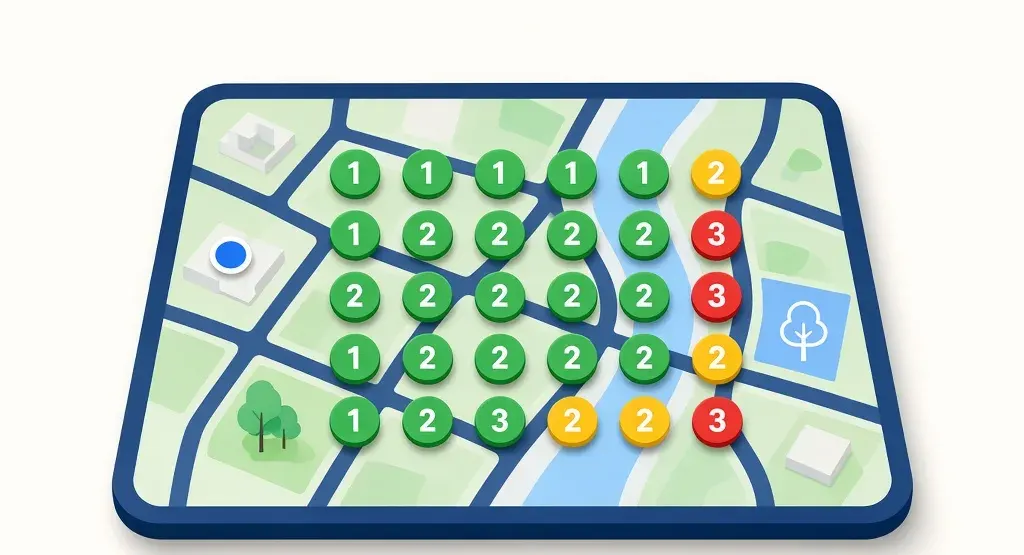
Turn 'near me' searches into calls, direction requests and booked jobs.
- More calls and direction requests
- Consistent NAP everywhere
- City and service-area pages that rank
Monitor, earn and respond to reviews on the platforms your US customers already use, without fake-review tactics or promised removals.

Review and listing audit across the platforms that matter in your category
Response playbook, including what not to say in public replies
Review-request workflow that asks customers consistently and does not gate or incentivize ratings
Listing and Business Profile consistency checks (name, categories, photos, Q&A)
Monthly reporting on review volume, rating trend and response rate — no guaranteed outcomes
Every deliverable connects to a clearer customer journey—from discovery to a call, visit or inquiry.
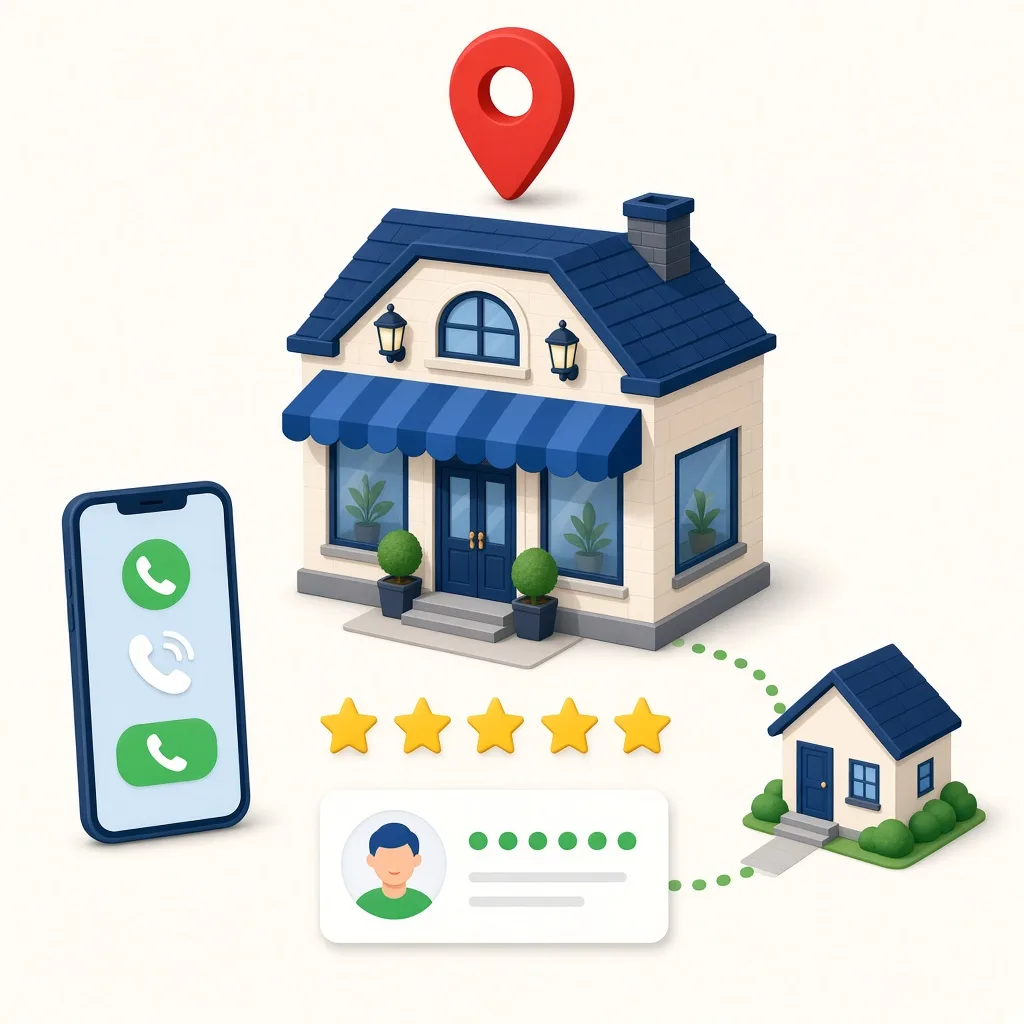
This original illustration is a concept of review and listing channels, not a live profile or a promised rating.
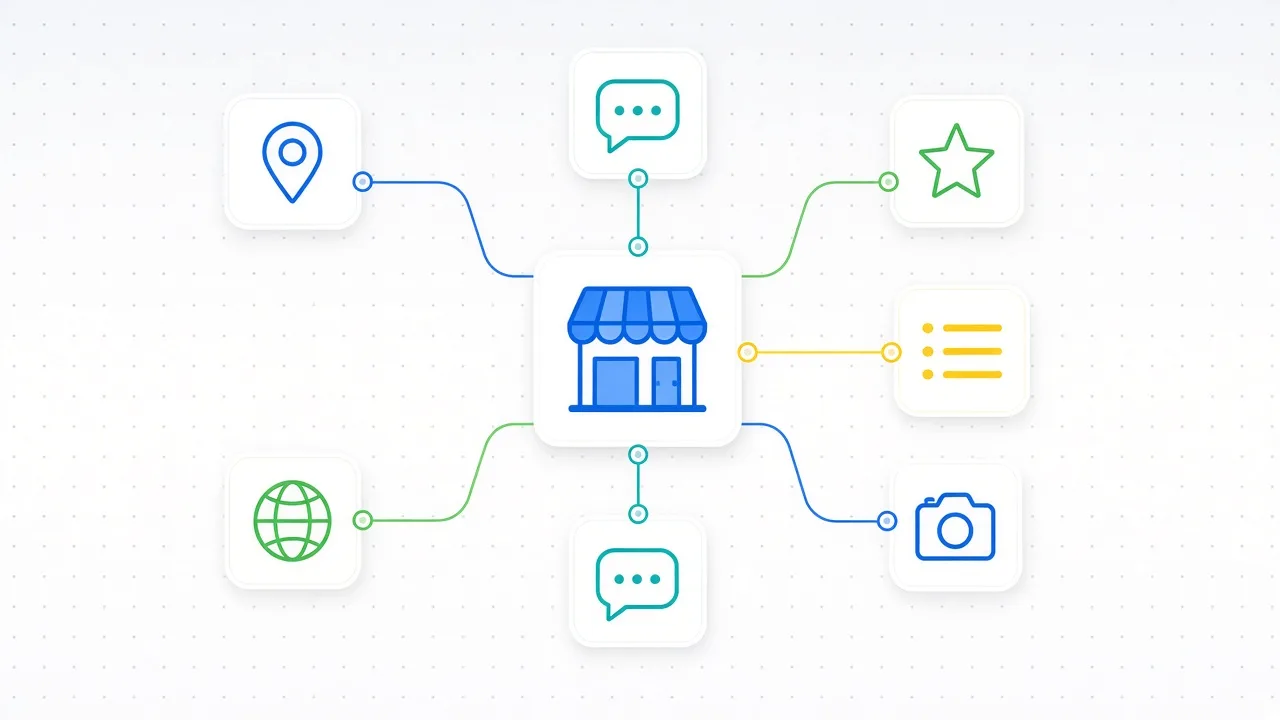
Reputation management services help a US business monitor, earn and respond to customer reviews on the platforms its buyers already use, and keep the business details around those reviews accurate. Rank and Trend's approach is compliance-first: we never write or buy reviews, never filter out unhappy customers, and never promise to delete criticism. You approve the playbook before work starts, and every month you see exactly what changed.
US-wide service · Free visibility check before any paid work · You approve the playbook · No fake reviews, no review gating, no promised removals
Reputation management services are the ongoing work of shaping what a customer finds when they check out a business before buying. In practice, that means watching the review platforms and listings that matter in your category, asking every customer for honest feedback in a way that complies with FTC rules and platform policies, responding to reviews professionally, and correcting inaccurate business information wherever it appears.
It is not review deletion, and it is not astroturfing. No agency can guarantee a star rating, a review volume, or the removal of a negative review. What a good engagement can do is make sure your side of the story is present: accurate listings, timely responses, and a steady flow of genuine reviews from real customers.
Any US business whose customers compare options before calling. That includes local service businesses, healthcare and dental practices, law firms, restaurants, hotels, dealerships and multi-location brands. The common thread: a buyer reads reviews first, then decides who gets the call.
Typical situations we see:
If two or more of those sound familiar, the fix is usually process, not PR: a clear owner, an approved playbook and a consistent way to ask for feedback.
Dedicated pages are live for lawyers, chiropractors, dentists, restaurants and home services businesses, linked in the industry section below. More industry pages will follow.
Reviews are regulated territory now, not a gray area. The FTC's Rule on the Use of Consumer Reviews and Testimonials went into effect on October 21, 2024. It prohibits buying reviews conditioned on a particular sentiment, creating or selling fake reviews, and certain forms of review suppression (as listed in the Federal Register, 89 FR 68034, checked 21 November 2026). Google separately prohibits offering incentives for reviews and "discouraging negative reviews or selectively soliciting positive reviews" (as listed on Google's Maps content policy, checked 21 November 2026).
For healthcare businesses the stakes include patient privacy. HHS's Office for Civil Rights settled with a California dental practice for $23,000 and a New Jersey psychiatric provider for $30,000 after each disclosed patient information while responding to online reviews (as listed on HHS.gov, checked 21 November 2026).
There is also a quieter cost to doing nothing. Buyers treat an unanswered negative review as an accepted one, and a listing with the wrong hours or a stale menu undermines trust before the first call. Reviews are also one of the signals Google uses when it decides which local businesses to show prominently, so review health and search visibility tend to rise or stall together.
The takeaway: the shortcuts are the expensive route. The durable route is a clean, compliant, consistent review presence.
| Pillar | What it means in practice |
|---|---|
| Review and listing audit | Where you are reviewed, what those profiles say, and what is inaccurate or duplicated |
| Monitoring | New reviews and listing changes surfaced to you on a set cadence |
| Compliant review requests | A workflow that asks every customer, with no incentive tied to rating and no filtering by sentiment |
| Response playbook | Approved templates and do-not-say rules for positive, negative and off-policy reviews |
| Listing consistency | Name, categories, hours, photos and Q&A aligned with your Google Business Profile as the source of truth |
| Official flagging | Platform reporting tools used for content that appears to violate platform rules — outcomes decided by the platform, never promised |
| Reporting | Monthly view of review volume, rating trend, response rate and listing status |
| Search and AI support | Coordination with Local SEO, Maps, Organic, AIO and GEO work so reviews support the whole visibility picture |
For most US businesses, Google is the first platform buyers see, because reviews sit directly on your Business Profile in Search and Maps. Beyond that, the right list depends on your category:
| Platform type | Examples | Why it matters |
|---|---|---|
| Search and maps | Google Business Profile | Reviews appear where "near me" searches end |
| General review sites | Yelp, Facebook, Better Business Bureau | Cross-checked by buyers and cited by other platforms |
| Healthcare directories | Healthgrades, Vitals, RateMDs | Where patients compare providers |
| Legal directories | Avvo, Martindale | Where clients compare attorneys |
| Home services | Angi, BBB | Common for trade and contractor comparisons |
| Hospitality and food | TripAdvisor, OpenTable, Yelp | Booking decisions start here |
| Vertical directories | Zillow, DealerRater, Cars.com, RealSelf | Category-specific trust signals |
Your audit names the exact platforms for your category rather than a generic "everywhere."
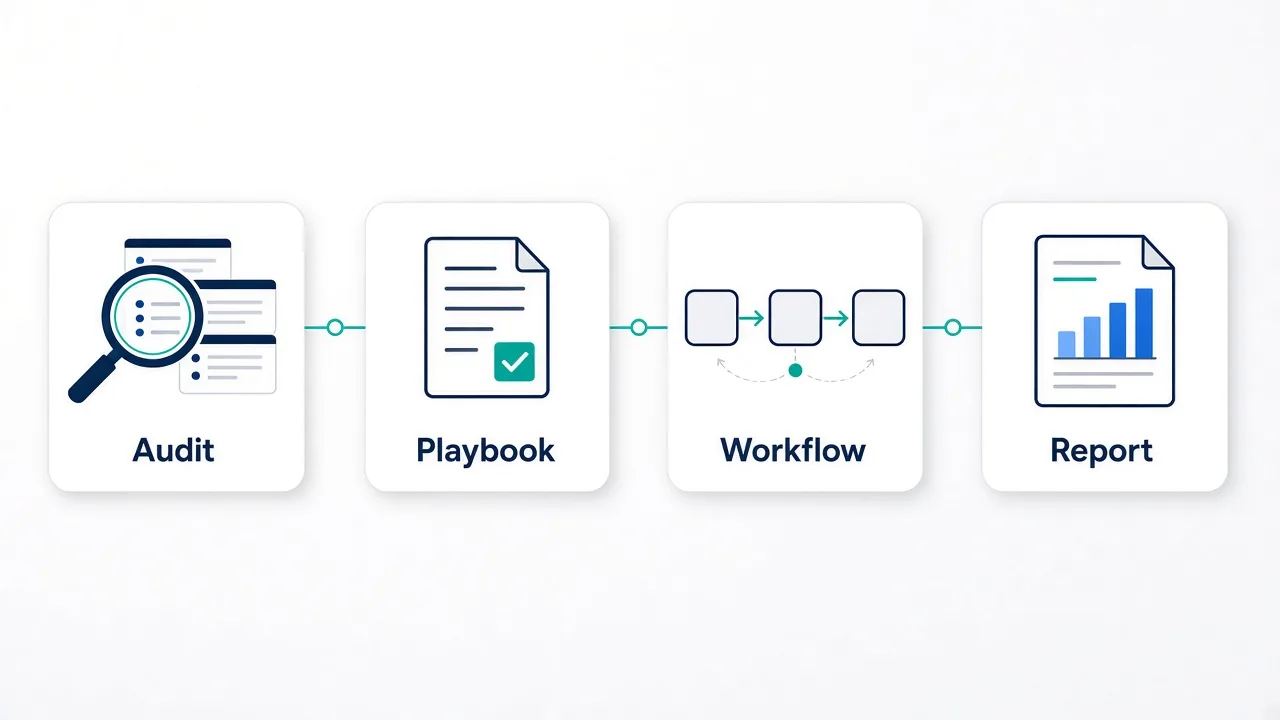
The compliant pattern is simple: ask everyone, the same way, with no reward tied to what they write.
Timing matters more than pressure. We help you build the ask into moments customers already experience: after a completed job, after a visit, after a closing. Implementation details, including whether the workflow runs in software you already use, are agreed in the playbook before work starts.
Every reply is written for the next hundred readers, not just the reviewer.
| Do | Don't |
|---|---|
| Thank the reviewer by name where shown | Confirm private details (treatment, case, transaction) |
| Acknowledge the specific point raised | Argue the facts line by line in public |
| Offer a direct channel to resolve issues | Offer compensation to change or remove a review |
| Reply to most reviews, including short positives | Copy-paste identical replies across reviews |
| Stay calm with off-policy or suspected fake reviews; use official reporting | Accuse the reviewer publicly — false accusations about reviewers can violate the FTC rule's review-suppression provisions |
Healthcare and wellness businesses: public replies must never confirm someone is a patient or reference care. HHS has treated exactly that as a HIPAA violation, with the two settlements noted above.
If a tactic you have seen advertised elsewhere is on this list, that is why.
Sometimes — but only by the platform or publisher, and only on their terms. Google removes reviews that violate its content policies when reported through the official flagging tool; evaluation typically takes several days, and a one-time appeal is available if the first decision finds no violation (as listed on Google Business Profile Help, checked 21 November 2026). Google is explicit that you should not report a review simply because you disagree with it. Other platforms run comparable processes, and content that is genuinely unlawful can sometimes be addressed through legal-removal channels. No agency controls those outcomes.
The durable strategy runs in parallel: respond professionally, fix real underlying issues, and keep earning honest reviews so one page of feedback does not define you. A note on scope: ongoing reputation management is the steady work described on this page. If you are facing a sudden wave of attacks, that is crisis work, and we will tell you plainly if a situation is outside our scope.

Reviews do not live in isolation. They influence how your Business Profile performs in the map pack, what appears in branded search results, and increasingly what AI assistants say when someone asks about your business. We may review how tools like Google's AI Overviews and assistants such as ChatGPT describe your brand, and work on the sources those tools read — your site, listings and third-party coverage — through our AIO and GEO work. We cannot and do not promise to control what any AI model outputs.
| DIY | Review software | Agency (Rank and Trend) | |
|---|---|---|---|
| Cost | Your time | A software subscription | A scoped engagement |
| Monitoring | Manual checking | Dashboards and alerts | Alerts plus human review of what matters |
| Review requests | Ad hoc | Automated sending | Approved workflow design, compliant wording |
| Responses | Owner writes when time allows | Templates you still own | Playbook plus drafting support you approve |
| Compliance risk | On you | Partly on you | We build FTC and platform rules into the workflow |
| Strategy | None | Limited | Coordinated with Local SEO, Maps and AI search |
Software is good at collecting and alerting. An agency is for the judgment calls: what to say, what to flag, and how reviews connect to the rest of your visibility. Many businesses use both — a tool for sending and monitoring, and an agency to design the workflow, write the playbook and keep it compliant. If you already pay for a review tool, we work with it rather than replacing it.
The free visibility check covers: review profiles on your category's key platforms; rating and volume trend; unanswered reviews; Business Profile categories, photos and Q&A; duplicate or inconsistent listings; and any gating or incentive language in your current request templates. Monthly reporting then tracks review volume, rating trend, response rate and listing status.
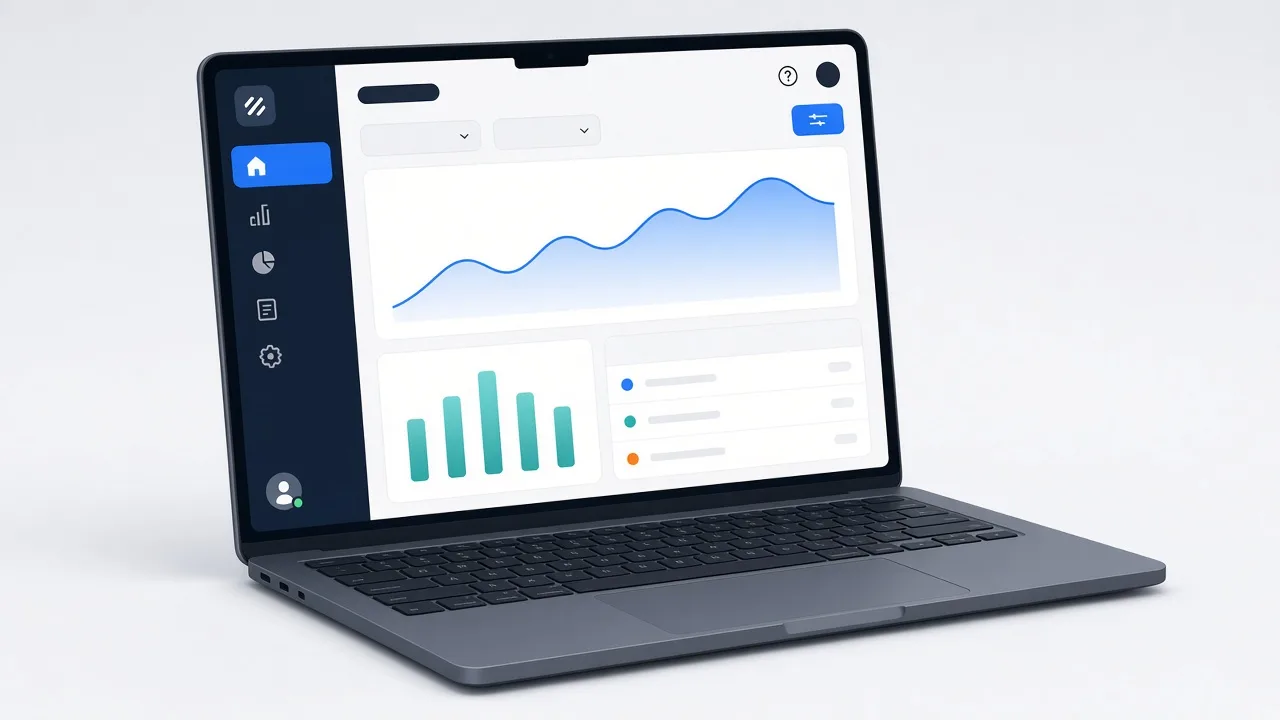
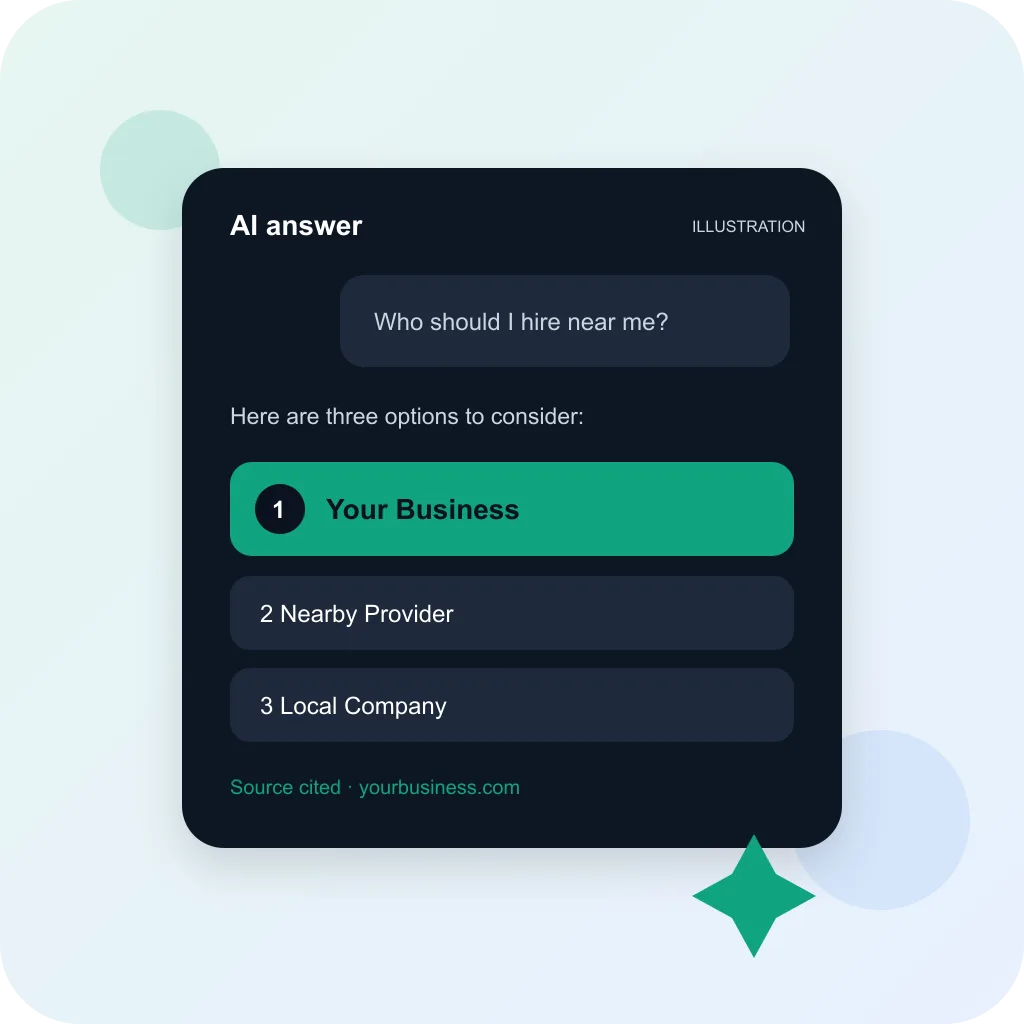
Reputation work multiplies the rest of your search investment. It pairs naturally with Local SEO and Google Maps SEO — reviews are a core map-pack signal — and with Organic SEO for branded results. When buyers ask AI assistants who to hire, the mentions and review signals built here feed the answers our GEO and AIO work shapes.
The same compliance rules apply everywhere, but the platforms and reply constraints change by category. These dedicated pages are live now; more industry pages will follow.

See what your customers see. Start with a free AI + Maps visibility check — we audit your reviews and listings and show you the clearest gaps before you approve any work. Get my free AI + Maps visibility check · Book a strategy call
We document your current review profiles, listings and response habits, and flag risks such as gating language in existing request templates.
You review and sign off on response guidelines and request wording before anything goes live.
We implement the approved request workflow and correct listing data; your team chooses what to adopt.
Review volume, rating trend, response rate and listing status, in plain language.

Turn 'near me' searches into calls, direction requests and booked jobs.
Win the map pack across your whole service area, not just your street.
Rank your service pages on page one and keep them there.
Make your pages the source Google's AI Overviews quote and link.
Get named when buyers ask AI assistants who to hire.
See the clearest gaps and next steps before you approve any work.
Prefer to talk? Book a strategy call